

The iGaming Edge: How Smart Players Approach Casino, Betting, Slots & Poker
You’ve seen the flashy ads and the promises of easy money. But here’s the truth: iGaming isn’t a get-rich-quick scheme—it’s an entertainment ecosystem where knowledge separates the casual from the consistent. Whether you’re spinning slots, studying poker ranges, or building a betting portfolio, the approach matters more than luck. This isn’t about chasing losses or believing in “hot streaks.” It’s about understanding the mechanics, managing your bankroll, and making decisions that align with long-term fun. Let’s cut through the noise and talk about how to actually enjoy this space without becoming a statistic.
Slots: More Than Just Pressing a Button
Modern slots are engineering marvels—RNG-driven, volatile, and sometimes brutally honest. The days of three-reel mechanical machines are long gone; today’s video slots can have 100,000+ paylines and bonus features that feel like mini-games. But here’s what the marketing doesn’t tell you: the house edge is baked in, and no amount of “skill” changes the outcome of a spin. That doesn’t mean you’re helpless, though.
- RTP (Return to Player): Look for slots with 96% or higher. Games like Blood Suckers (98%) or Mega Joker (99%) are rare gems. A 92% slot is a money pit by comparison.
- Volatility: High-volatility slots (e.g., Bonanza) pay big but rarely. Low-volatility ones (e.g., Starburst) pay small but often. Match this to your bankroll: if you have $50, high volatility will eat you alive.
- Bonus Buy Features: Tempting, but they often cost 100x your bet. Only use them if you’re comfortable with that risk.
My advice? Treat slots like a night at the movies—you pay for entertainment, not income. Set a loss limit before you spin, and never chase a bonus round that “feels due.” It isn’t.
Sports Betting: Think Like an Investor, Not a Fan
Betting on your favorite team is fun, but it’s a terrible strategy. The bookmakers love emotional bettors. If you want to last, you need to detach. Sharp bettors look for value—where the odds are mispriced relative to the true probability. That’s easier said than done, but here’s a framework:
- Understand implied probability: Odds of 2.00 (even money) imply a 50% chance. If you think the real chance is 55%, that’s value.
- Line shopping: Different sportsbooks offer different odds. A 0.05 difference on a $100 bet is $5—over 100 bets, that’s $500. Use odds comparison tools.
- Bankroll management: Flat betting (1-2% of your bankroll per wager) is boring but sustainable. Martingale systems (doubling after losses) are a one-way ticket to broke.
- Specialize: Don’t bet on everything. Pick a league or market (e.g., NBA player props, English Premier League corners) and become an expert.
Also, avoid parlays unless you’re doing it for fun. The house edge compounds with each leg, and a 5-team parlay can have an edge north of 20%. That’s not investing—that’s donating. lô đề online covers this in more detail.
Poker: The Only iGaming Vertical Where Skill Wins Long-Term
Poker is beautiful because it’s you versus other players, not the house. The rake is a hurdle, but a skilled player can overcome it. However, the days of easy money are gone. Online poker is infested with solvers, HUDs, and bots at the higher stakes. That doesn’t mean you can’t win—it means you need to study.
Three Pillars of Poker Success
- Position: Acting last gives you information. Playing tight from early position and loosening up on the button is Poker 101.
- Bankroll Management: Never buy into a cash game with more than 5% of your dedicated poker bankroll. For tournaments, 2% max. This prevents the inevitable downswings from wiping you out.
- Hand Reading: Put opponents on a range, not a specific hand. Use bet sizing and timing tells to narrow that range.
If you’re new, start with micro-stakes ($0.01/$0.02) and play thousands of hands. Use free tools like Equilab to run equity calculations. And for the love of all things holy, don’t play drunk or tilted. The variance in poker is brutal enough without adding self-destruction.
Casino Games: The Good, The Bad, and The Ugly
Not all casino games are created equal. Blackjack, for instance, has a house edge as low as 0.5% if you play basic strategy perfectly. That means for every $100 wagered, you lose about 50 cents on average. Compare that to American roulette (5.26% edge) or keno (25%+). The difference is staggering over time.
Best bets in the casino:
- Blackjack: Learn basic strategy. It’s a chart that tells you exactly what to do in every situation. No guessing.
- Baccarat: Bet on the banker. The house edge is 1.06%, and the game is pure luck—no decisions needed.
- Craps: Pass line with odds reduces the house edge to under 1%. Avoid the sucker bets in the middle of the table.
Stay away from: Slot machines with progressive jackpots (the edge is higher), roulette (unless you’re European and playing single-zero), and any game with a “side bet” that looks exciting. Side bets are where casinos make their real money.
Bankroll Management: The Skill That Saves You
You can be the best poker player or sports bettor in the world, but without bankroll management, you’ll go broke. It’s that simple. Here’s a universal rule: never gamble with money you can’t afford to lose. That means rent, groceries, and savings are off-limits. Beyond that, separate your bankroll from your life roll. If you have $500 to gamble with, that’s your entire iGaming budget for the month—not a replenishable account.
For slots and casino games, set a session limit (e.g., $100) and a time limit (e.g., 1 hour). When you hit either, stop. For sports betting, use flat betting. For poker, use the 5% rule. These aren’t suggestions—they’re survival tactics. The house has an edge; your only defense is discipline.
The Bottom Line: Entertainment First, Ego Last
iGaming can be a thrilling hobby or a destructive habit. The difference is mindset. If you’re playing to escape, to make back losses, or to prove you’re “due,” you’re already losing. But if you approach it as entertainment—with a budget, a plan, and a willingness to learn—it can be genuinely enjoyable. The slots will still take your money on average, the sportsbook will still have an edge, and the poker table will still punish mistakes. That’s the game. Your job is to manage the risk, savor the wins, and walk away when it stops being fun. Remember: the only guaranteed winner in iGaming is the one who knows when to cash out.
tag: iGaming

James Whitcombe Author
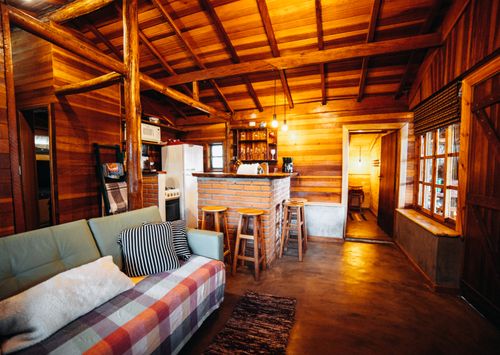
Pack layers, waterproofs, sturdy shoes and a torch for late arrivals. A small cool bag helps if your cabin kitchen is basic.
YOU MAY ALSO LIKE
Essential Packing List for a Cosy Cabin by the Sea
Sep 22
10Rent a beach hut for shade, shelter and somewhere to store sandy gear. Check local rules on cooking, dogs and overnight use.
read more
Best Beach Huts for a Family Day at the Coast
Sep 17
10Learn how dunes form and why paths protect fragile grasses. Wear supportive shoes and carry water, as sand can be tiring.
read moreCoastal Cabins
-

ERRIC CATONA
Look for cabins using renewable energy, grey-water systems and local materials. These choices cut waste without sacrificing comfort or style.
May 19, 2016 at 5.12 pm
Reply
ERRIC CATONA
Use soft blues, warm woods and practical fabrics to bring the coast indoors. Keep clutter low so small cabins feel calm and spacious.
May 19, 2016 at 5.12 pm
Reply -
ERRIC CATONA
Museums, arcades and tea rooms keep a rainy coastal break enjoyable. Plan indoor stops between showers and book tables ahead.
May 19, 2016 at 5.12 pm
Reply
Beach Huts
Your email address will not be published.