
A Food Lover's Guide to Seaside Town Markets
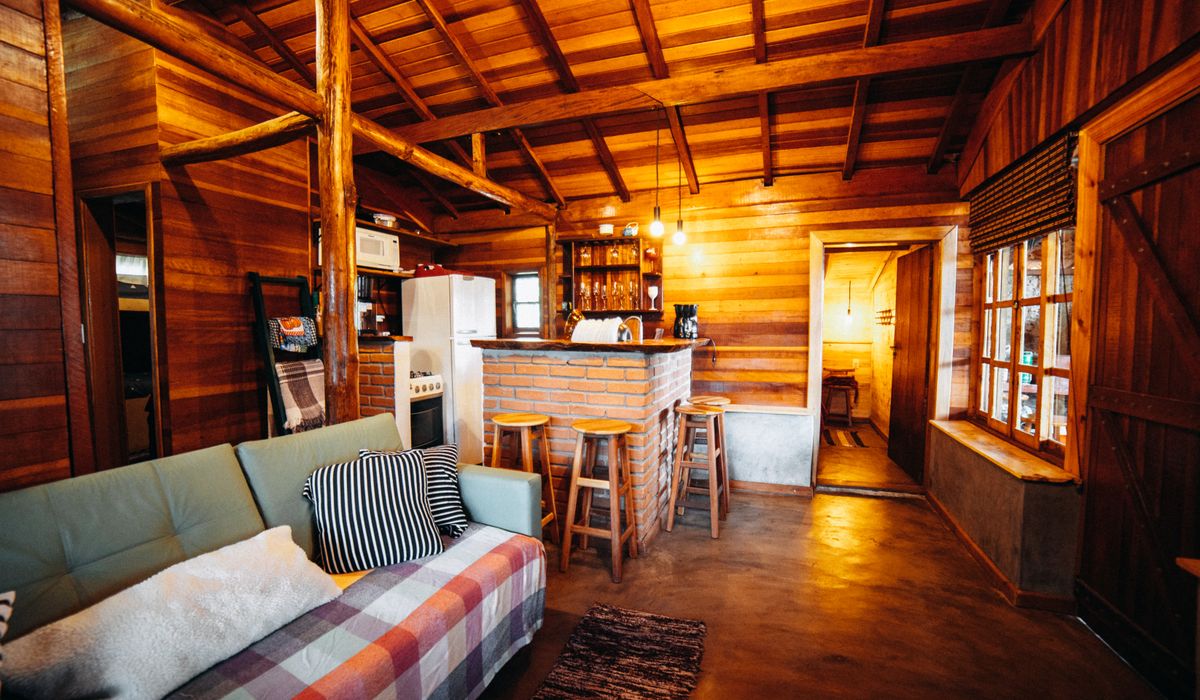
There is a particular sort of morning that only happens on a coastal holiday. You wake in a cabin that smells faintly of salt and last night's barbecue, pull on a jumper over your pyjamas, and walk twenty minutes into town while the seagulls are still arguing over the harbour wall. By the time you reach the market, the fish van is open, the bread stall is unloading, and someone is already frying bacon. This is the best hour of the day, and it belongs to food lovers.
Why the Market Should Shape Your Whole Day
Seaside markets are not like city ones. They are smaller, more seasonal and far more closely tied to the water. A harbour-side stall might be selling fish caught by the boat you can see from where you're standing. A farm shop van that drives down from the hills twice a week will have cheese made twenty miles inland. This is the shortest supply chain you'll find anywhere, and it rewards a bit of planning.
The trick is to shop first and plan the day around what you buy. If the crab looks superb, that's lunch. If there's a glut of mackerel, buy more than you need and cook it on the barbecue at the cabin. Let the market decide whether you're eating a picnic on the beach or a slow supper in the hut while the rain comes down.
Go Early, and Go With a Reason
Arriving early is the single most useful thing you can do, and it is not just about beating the crowds.
- Boats land at dawn. The best fish is usually on the slab by half past seven and gone by ten. If you want whole plaice, dressed crab or a decent piece of turbot, be there for opening.
- Bakers sell out first. Saffron buns, lardy cake, bacon-and-cheese turnovers and proper sourdough rarely survive past mid-morning on a sunny Saturday.
- Stallholders have time to talk. At nine o'clock they will happily tell you how to cook a cuttlefish. At eleven they are too busy to say hello.
- Parking is easier. Coastal towns are built on lanes that were never designed for modern traffic, and the car park by the quay fills up fast in summer.
Check market days before you travel. Many coastal markets run only two or three mornings a week, and some harbour stalls pack up entirely when the weather turns.
What to Look For, and What to Ask
Fish is the obvious draw, and it is worth asking two questions at every stall: what came in this morning, and what would you buy. The answers are usually the same, and they are always better than whatever you had planned.
- Fish and shellfish: look for bright eyes, firm flesh and a clean sea smell. Ask for it gutted and filleted — most stallholders will do it free of charge, and it saves a messy job in a tiny cabin sink.
- Local cheese: coastal counties do this brilliantly. Expect crumbly white cheeses, blue veins, nettle-wrapped wheels and waxed truckles. Buy smaller pieces of several rather than one big wedge.
- Baked goods: pasties, saffron buns, fruit loaves, cream teas, fudge and doughnuts fried while you wait. Buy the ugly ones; they usually taste better.
- Store-cupboard extras: sea salt, smoked garlic, chutney, local cider, honey and jam. These travel home well and make the holiday last a bit longer.
- Vegetables and herbs: samphire in summer, wild garlic in spring, new potatoes and salad leaves from smallholdings just outside town.
Bring Your Own Bags — and a Cool Box
Take reusable bags, and take more than you think you need. Most market stalls no longer hand out plastic bags, and you will buy more than you intended. A sturdy cotton tote per person is about right.
For anything chilled, a cool box or insulated bag with frozen blocks is essential. Beach huts rarely have power, so a frozen two-litre bottle of water in the bottom of the bag will keep fish and cheese safe for several hours, and gives you cold drinking water later. If you are staying in a cabin, check the fridge size before you shop — a tiny under-counter model fills up fast when you arrive with a bag of mussels, three cheeses and a cream tea.
Take cash as well as a card. Signal in small harbours can be patchy, and a handful of stalls still prefer notes.
Cooking It All Back at the Hut
The joy of a cabin holiday is that the cooking is simple by necessity, and simple is exactly what good market produce wants.
- Whole mackerel or sea bass on a charcoal barbecue, scored, rubbed with oil and salt, four or five minutes a side.
- Mussels or clams in a pan with a splash of local cider, a knob of butter and chopped herbs, lid on until they open.
- Crab stirred through pasta with lemon and chilli, or piled onto buttered rolls with a squeeze of lime.
- Cheese, bread and tomatoes as a no-cook supper when the weather has other ideas.
- Leftover pasties eaten cold on a bench the next day, which is arguably their highest calling.
Do not over-season seafood that came off the boat that morning. A little butter, lemon and black pepper is usually all it needs. Rinse shells in seawater if you are close to the shore, and keep raw fish away from anything you are not cooking.
Rain Days and Off-Season Visits
Wet mornings thin the crowds considerably, and most market towns simply move indoors or under awnings. Take a hood, a folding umbrella and a willingness to get damp in exchange for the pick of the fish counter. Out of season, markets shrink but the quality holds — winter brings scallops, oysters and excellent root vegetables, and the stallholders will have far more time to chat. Whether you are in a beach hut for a weekend or a clifftop cabin for a fortnight, a market morning is the surest way to eat like a local rather than a visitor.
tag: Seaside Towns

Emily Hartley Author
Solar panels, compost toilets and rainwater harvesting make off-grid cabins more comfortable. Ask hosts how systems work before you book.
YOU MAY ALSO LIKE
Solar Power and Off-Grid Comfort in Coastal Cabins
Jul 15
10A chair, side table, warm lamp and blanket create a peaceful reading corner. Keep books in a basket to save space in small huts.
read more
Creating a Cosy Reading Nook in a Beach Hut
Jul 9
10Windy dune walks call for layers, a windproof jacket and sturdy footwear. Avoid loose fabrics and take a hat that ties securely.
read moreCoastal Cabins
-

ERRIC CATONA
Travel just beyond the busiest seafront to find quieter coves and lanes. Local buses and early starts help you avoid summer crowds.
May 19, 2016 at 5.12 pm
Reply
ERRIC CATONA
A few sharp knives, a large pan and sealed containers make cabin cooking easier. Check what is provided before adding weight to your bags.
May 19, 2016 at 5.12 pm
Reply -
ERRIC CATONA
Choose eco stays with clear recycling, composting and energy policies. Good hosts explain what guests should separate and why it matters.
May 19, 2016 at 5.12 pm
Reply
Beach Huts
Your email address will not be published.