
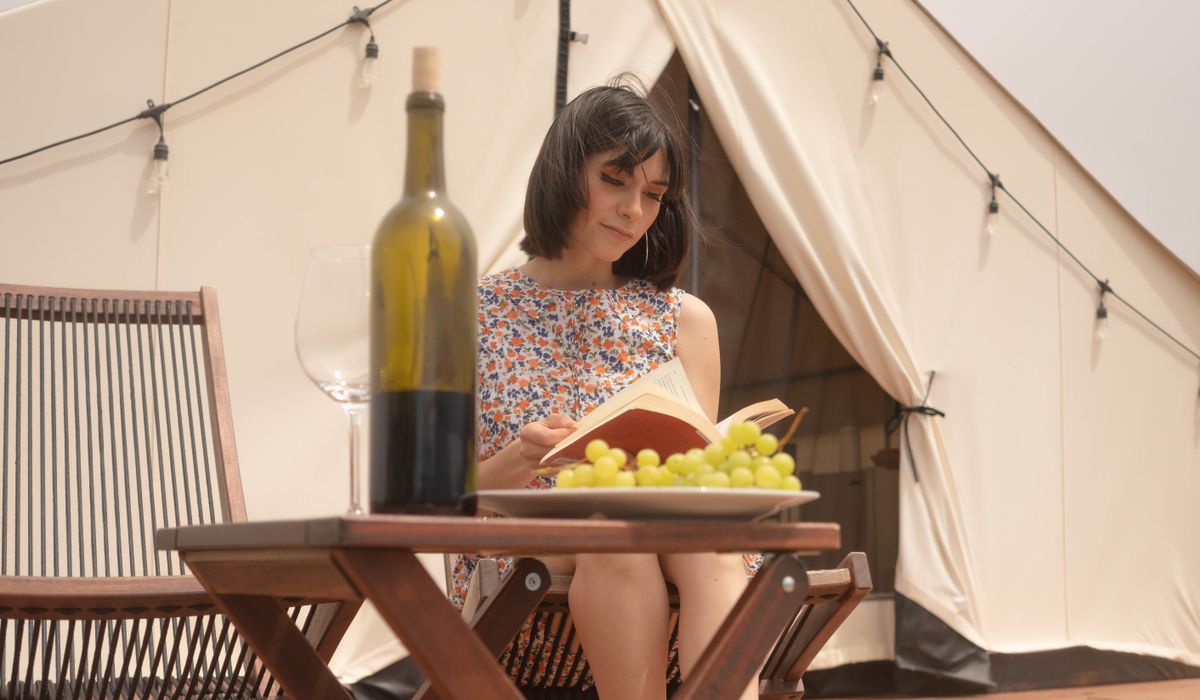
Cabin Kitchen Essentials for Simple Coastal Meals
Arriving at a coastal cabin or beach hut with a bag of shopping and a hungry household is one of the great small pleasures of a British summer. It is also the moment you discover that the only knife is blunt, the tin opener has rusted solid and the salt has turned into a damp grey lump. A little planning beforehand turns that first scramble into a calm, one-pan supper eaten with a view of the sea.
Find Out What Is Already There
Before you add a single gram to your bags, ask the owner or check the listing for the details that actually matter. Most places are generous with equipment, but the gaps are always in the same few places.
- The hob. Induction rings need pans with magnetic bases. Put a fridge magnet against your favourite pan at home — if it does not stick, leave it behind.
- Cooking surfaces. Is there an oven, a grill, a microwave, a toaster? A surprising number of beach huts have nothing but a two-ring hob and a kettle.
- Water. Some huts have no running water at all, only a communal tap and a washing-up block a short walk away. That changes everything about how you cook.
- Cold storage. A small under-counter fridge with an ice box is not the same as a full-size fridge. Ask whether it will be switched on and cold when you arrive.
- What is supplied. Washing-up liquid, tea towels, bin bags, salt, oil and foil are sometimes there and sometimes not. Assume nothing.
If you can, request a photo of the inside of the cupboard. It takes the owner thirty seconds and saves you a wasted morning driving to the nearest shop.
Three Knives, Not a Block
Cabin knives are almost always blunt, and the salt air does them no favours. Bring your own, but only the useful ones: a 20cm cook's knife, a small paring knife and a serrated knife for bread and tomatoes. Three sharp blades will handle everything a coastal kitchen asks of you.
Protect them in transit with blade guards or a rolled tea towel, and dry them the moment you have finished. Steel left damp in a seaside drawer will spot overnight. A thin honing rod takes up the space of a pencil and keeps an edge going for a week.
Add a lightweight flexible chopping board. The one in the cupboard is often a scratched slab that smells faintly of last August, and a thin plastic board can double as a plate for prepped vegetables. Pack a tin opener and a bottle opener as well — you will use both more than you expect, and a rusty borrowed opener is a miserable thing to wrestle with on an empty stomach.
One Big Pan Earns Its Space
If you are carrying bags down a track, over dunes or up a set of wooden steps, weight is the enemy. One excellent pan beats a nested set of six.
- A 26–28cm sauté pan with a lid will fry, simmer, boil pasta and roast a whole fish on the hob. If you are flying light, a 24cm saucepan with a lid is the compromise.
- Add a small second pan only if you have room and you genuinely cook rice or eggs separately.
- Bring tongs, a silicone spatula and a wooden spoon. Tongs are the most versatile tool in a tiny kitchen — they turn fish, toss salad and lift pasta out of the water.
- A metal bowl nests neatly and doubles as a washing-up bowl when the sink is the size of a shoebox.
- Skip the colander. A lid held slightly ajar drains pasta perfectly well.
Cast iron is wonderful if you are driving and the cabin has a proper hob. If you are walking in, leave it at home.
Sealed Containers: Damp Is the Enemy
Coastal air is salty, humid and relentless. Flour goes claggy, biscuits go soft, tea loses its character and salt sets like concrete. A handful of clip-lidded boxes in different sizes, nested together in your bag, solves most of it.
- Small screw-top jars for spices, stock cubes and coffee.
- One larger clip-lid box for bread, opened packets and leftovers.
- Rigid boxes rather than cling film, which blows away the moment you open a hut door in a breeze.
- A zip-up bag for rubbish, hung somewhere secure. Gulls are bold, clever and entirely unbothered by your plans.
- A few grains of rice in the salt pot — an old trick that keeps it flowing all week.
Keep everything in one crate. Sand gets into absolutely everything, and a crate makes packing up on the last morning far quicker.
A Short Store-Cupboard List
Buy fresh food locally — a fishmonger, a bakery, a farm shop — and let the cupboard carry the rest. Decant oil into a small bottle, and take salt, pepper, garlic, a lemon, chilli flakes, a stock cube, a tin of tomatoes, a tin of chickpeas, a tin of sardines or mackerel, pasta or rice, a jar of pesto and tea or coffee. A carton of long-life milk saves a fridge argument.
Resist overbuying. Cabin fridges are small, cabins get hot in the afternoon, and nobody wants to carry half a shop back up the steps. Remember washing-up liquid, a sponge, tea towels, bin bags and matches if there is a barbecue stand.
Meals That Suit a Two-Ring Hob
One-pan pasta is the reliable standby: soften garlic in oil, add a tin of tomatoes, a pinch of chilli and a crumbled stock cube, then tip in pasta and enough water to cover. Lid on, simmer, stir now and then, and fold through tinned fish and a squeeze of lemon at the end. Rice with chickpeas and whatever vegetables you found that morning works the same way.
On hot days, don't cook at all. Bread, cheese, tomatoes, cured meat and a bag of salad on a shared picnic table is a proper coastal meal. Breakfast is cafetière coffee, eggs and toast done in the pan.
Check local rules before lighting anything — disposable barbecues are banned on many beaches and at many sites, and some provide a raised stand for a reason. When you do cook, wash up once: boil a kettle, use one bowl, and work through the cleanest items first. Then put your feet up and watch the light go.
tag: Coastal Cabins

James Whitcombe Author
Choose eco stays with clear recycling, composting and energy policies. Good hosts explain what guests should separate and why it matters.
YOU MAY ALSO LIKE
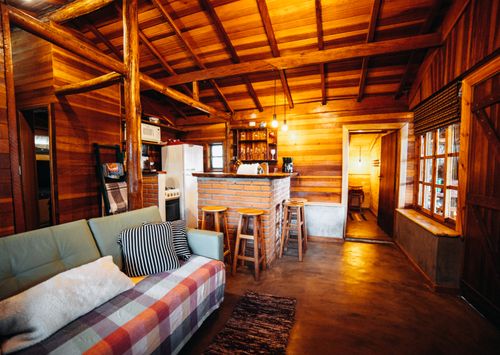
Eco Stays with Recycling and Composting Facilities
Jun 24
10Look for cabins with enclosed gardens, hard floors and nearby dog-friendly beaches. Check rules on leads, bins and leaving pets alone.
read more
Planning a Dog-Friendly Cabin Break by the Sea
Jun 18
10Compare location, insulation and access before booking a coastal cabin. A short walk to the beach matters more than a fancy deck in wet weather.
read moreCoastal Cabins
-

ERRIC CATONA
Pack layers, waterproofs, sturdy shoes and a torch for late arrivals. A small cool bag helps if your cabin kitchen is basic.
May 19, 2016 at 5.12 pm
Reply
ERRIC CATONA
Rent a beach hut for shade, shelter and somewhere to store sandy gear. Check local rules on cooking, dogs and overnight use.
May 19, 2016 at 5.12 pm
Reply -
ERRIC CATONA
Learn how dunes form and why paths protect fragile grasses. Wear supportive shoes and carry water, as sand can be tiring.
May 19, 2016 at 5.12 pm
Reply
Beach Huts
Your email address will not be published.