
How to Choose a Coastal Cabin for a Weekend Break
Start with the walk, not the view
Every coastal cabin listing leads with the same photograph: a wide deck, a pair of folding chairs and a horizon turning pink. It is a lovely image, and it is almost entirely irrelevant to whether you will enjoy a wet weekend in February. Before you fall for the deck, work out how far you will actually be walking to the beach, the pub and the shop — and what that walk looks like in the rain.
A ten-minute stroll across a grassy footpath is delightful in July and miserable in a sideways gale with a tired dog and a grumpy eight-year-old. A five-minute walk along a lit lane, even if the view is a car park, will serve you far better when the weather turns. Ask yourself honestly: if it rains from Friday evening to Sunday morning, would I still be happy here?
Use a mapping tool to measure the route rather than trusting a listing's description of "a stone's throw from the beach". A stone's throw can mean 200 metres of sand dunes, which is hard work with a cool box. Check whether the path is surfaced, whether it is lit, and whether there is a slope or a set of steps.
Insulation matters more than you think
British coastal weather is not cold in the way that a Scottish glen is cold, but it is damp, windy and changeable, and a cabin that cannot hold heat will feel colder than the thermometer suggests. Look for explicit mentions of insulation, double glazing, heating type and whether the cabin is winterised.
Things worth confirming before you book:
- Heating: a wood-burning stove is atmospheric but slow to warm a space; a small electric heater or panel radiator gives quicker, more controllable heat. Ideally you want both.
- Glazing: single-glazed beach huts get condensation fast. Double glazing makes a genuine difference to comfort, especially on a January break.
- Draughts: ask whether the cabin has been draught-proofed. Exposed coastal sites catch the wind from every direction.
- Drying space: a rail, a boot tray or a small heated airer changes everything after a soaking. Wet walking boots left in a corner will make a small cabin feel damp within hours.
- Bedding: check whether linen is provided or whether you need to bring your own. Many budget cabins ask you to bring a duvet, which is fine if you know in advance.
On a static caravan site or a chalet park, heating is usually reliable. In a converted shepherd's hut or a timber pod, it can be an afterthought. Read the reviews specifically for mentions of cold, and take them seriously.
Which kind of coastal cabin suits you?
The British coastal accommodation market is broader than most people realise, and the right choice depends on who is travelling and what you plan to do.
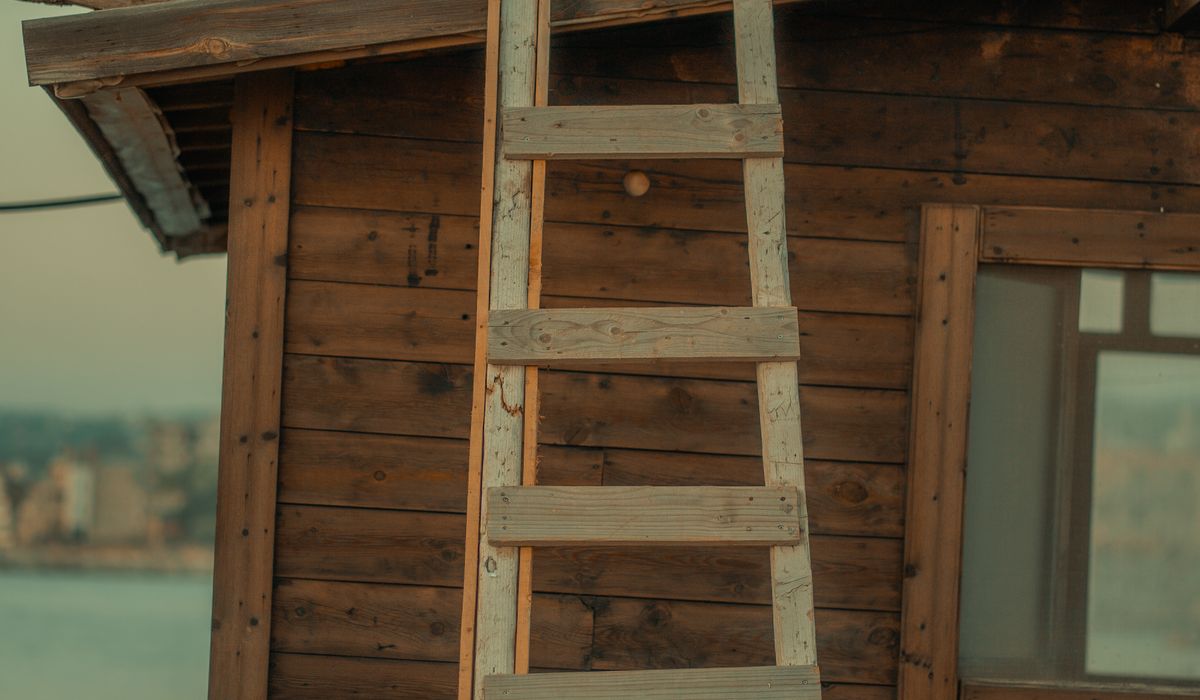
Traditional beach huts are the classic: timber, colourful, usually on a promenade or a sea wall. Many are day-use only with a gas ring and no running water. Some are now let for overnight stays, but check the facilities carefully. They are brilliant for a summer day and grim for a January night.
Timber lodges and chalets on holiday parks offer space, parking and often a hot tub. They suit families and groups, but you may be sharing a site with entertainment complexes and a busy bar. If you want quiet, ask how close your cabin is to the main facilities.
Shepherd's huts and glamping pods are small, charming and best for couples. Storage is minimal, so pack light. Check the bed size — a 4ft double in a hut is snug for two adults.
Converted cottages and former coastguard houses give you proper walls, real insulation and often a log burner. They cost more, but for a winter weekend they are usually the most comfortable option.
Check access, parking and arrival logistics
Access is the detail that ruins otherwise good trips. Coastal lanes are narrow, and some cabins sit at the end of a track that is fine in dry weather and impassable in mud.
- Parking: is there a dedicated space, or is it on-street and first-come-first-served? In popular villages such as St Ives, Whitby or Padstow, parking can cost more than dinner.
- Arrival time: many coastal cabins have strict check-in windows because of narrow access roads. Late arrivals may be inconvenient for the owner.
- Steps and slopes: cliffside cabins often come with a steep flight of steps. Fine for most, difficult with a buggy or for anyone with limited mobility.
- Mobile signal: coastal valleys frequently have none. If you need to work or stay reachable, confirm the Wi-Fi and ask how reliable it is.
- Shops: if the nearest shop is a twenty-minute drive, plan your first-night food before you arrive.
Think about the season and the light
Coastal light is the reason many people book, and it behaves differently through the year. In midwinter, sunset in Cornwall can be before half past four, which means a cabin with poor indoor lighting or a weak lamp will feel gloomy by five. Check the photographs for windows and lamps, not just the view.
Summer brings its own considerations: midges on the west coast of Scotland, crowded beaches in Devon and Cornwall, and site noise from other holidaymakers. Shoulder seasons — late April, May, September and early October — often give you the best combination of reasonable weather, lower prices and quieter paths. Sea temperatures lag behind air temperatures, so late September is usually the warmest time to swim.
The questions to ask before you book
A short list of emails or phone calls before you pay a deposit will save you a great deal of frustration. Ask whether the cabin is winterised, how far the beach is on foot and whether the path is lit. Ask what happens if the weather is bad enough to cancel travel, and what the cancellation policy says in plain terms. Ask whether dogs are genuinely welcome or merely tolerated, and whether there is a secure garden.
Finally, be realistic about what you want from the weekend. If the plan is long clifftop walks and pub lunches, prioritise location and a warm, dry return. If the plan is board games and a bottle of wine while the rain hits the roof, prioritise insulation, comfortable seating and good lighting. Book for the weekend you are likely to get, not the one on the listing photograph, and you will come home refreshed rather than relieved.
tag: Coastal Cabins

James Whitcombe Author
Pack layers, waterproofs, sturdy shoes and a torch for late arrivals. A small cool bag helps if your cabin kitchen is basic.
YOU MAY ALSO LIKE
Essential Packing List for a Cosy Cabin by the Sea
Sep 22
10Rent a beach hut for shade, shelter and somewhere to store sandy gear. Check local rules on cooking, dogs and overnight use.
read more
Best Beach Huts for a Family Day at the Coast
Sep 17
10Learn how dunes form and why paths protect fragile grasses. Wear supportive shoes and carry water, as sand can be tiring.
read moreCoastal Cabins
-

ERRIC CATONA
Look for cabins using renewable energy, grey-water systems and local materials. These choices cut waste without sacrificing comfort or style.
May 19, 2016 at 5.12 pm
Reply
ERRIC CATONA
Use soft blues, warm woods and practical fabrics to bring the coast indoors. Keep clutter low so small cabins feel calm and spacious.
May 19, 2016 at 5.12 pm
Reply -
ERRIC CATONA
Museums, arcades and tea rooms keep a rainy coastal break enjoyable. Plan indoor stops between showers and book tables ahead.
May 19, 2016 at 5.12 pm
Reply
Beach Huts
Your email address will not be published.