
A Beginner's Guide to Walking Sand Dunes Safely
Why Dunes Deserve Your Attention
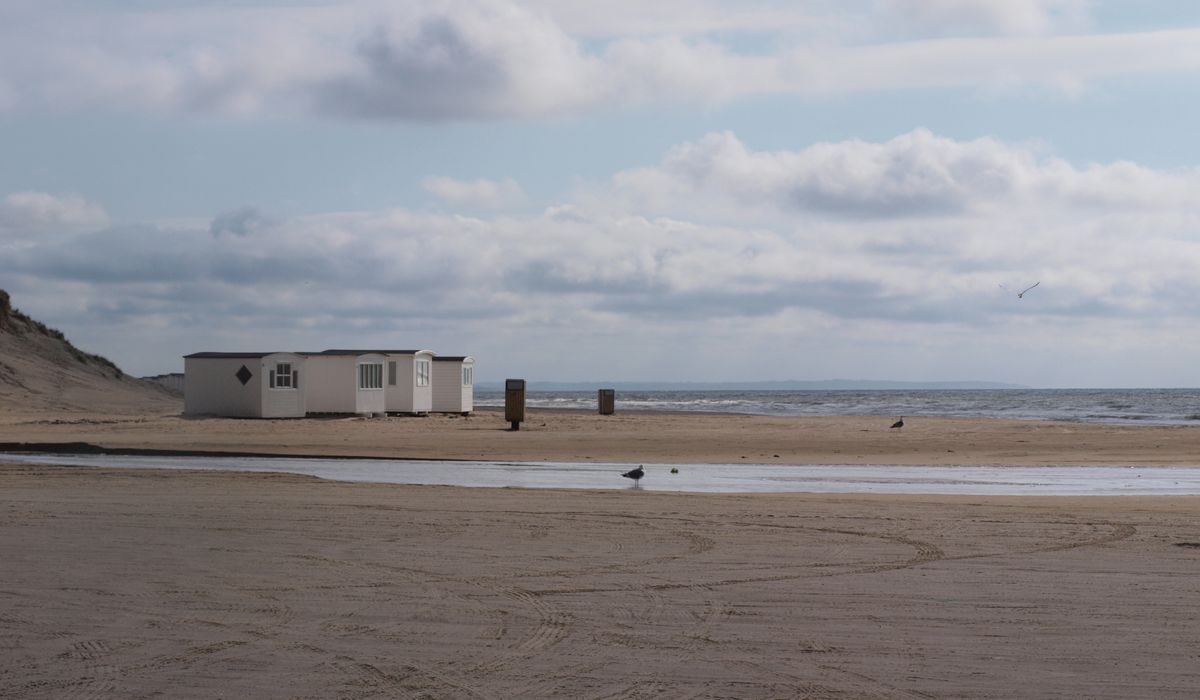
If you're staying in a beach hut or coastal cabin, the chances are a dune system lies just beyond your deckchair. These ridges of sand are more than scenery. They are dynamic, fragile, and home to specialised wildlife. Walking on them is a joy, but it's different from a stroll on a pavement or a firm beach. Sand shifts, slopes are steeper than they look, and the plants beneath your feet are holding the whole thing together. A little knowledge goes a long way.
How Sand Dunes Form – and Why They Move
Dunes begin when wind-blown sand gets trapped by obstacles: a clump of marram grass, a piece of driftwood, even a fence. Over years, sand builds up around these traps. The oldest dunes sit furthest inland; the youngest are nearest the sea. Pioneer grasses like marram and sand couch send deep roots and long runners, knitting the sand together. Without them, the dunes would blow away.
Dunes are always on the move. On a windy day, you might see sand streaming off a bare crest. That's natural. But when people trample the grasses, bare patches appear. Wind scoops out hollows, called blowouts, which can widen and undermine the whole dune. That's why staying on paths isn't just polite – it's essential maintenance.
- Marram grass grows up through fresh sand, trapping it.
- Sand couch stabilises the front edge.
- Sea buckthorn and other shrubs colonise older dunes, adding soil.
It can take decades for a dune to recover from heavy footfall. A single shortcut can start a blowout that lasts a generation.
Stick to the Paths: Protecting Fragile Grasses
Path networks through dunes are usually there for a reason. They follow the most robust ground, avoiding nesting birds and rare plants. Boardwalks and rope fences aren't obstacles; they're invitations to look after the place.
When you step off the path, you crush the stems and roots of dune plants. Sand then dries out and blows away. The result is a bare, shifting surface that's harder to walk on and worse for wildlife. In spring and summer, many dunes host ground-nesting birds like ringed plovers and oystercatchers. Their eggs and chicks are perfectly camouflaged, and a careless foot can destroy a nest in seconds. If you see a roped-off area, give it a wide berth.
If you're staying in a cabin with direct dune access, check whether there's a marked route to the beach. Use it every time, even for a quick trip to fill a kettle. Consistency is what keeps the vegetation strong.
What to Wear and Carry
Sand is tiring to walk on. Your feet sink and slide, so every step uses more energy than on a firm path. Supportive shoes make a huge difference. Trainers with a decent tread are fine for gentle dunes. For steeper or looser sand, lightweight walking shoes or boots with ankle support are better. Avoid flip-flops and smooth-soled sandals; they offer no grip and let sand in.
Bring more water than you think you need. Even on a cloudy UK day, walking on sand can dehydrate you quickly. A rucksack with a couple of litres per person is sensible for anything more than a short stroll. Add a windproof layer – coastal breezes are deceptive – and sun cream for exposed skin.
- Supportive shoes with grippy soles.
- Water – at least 500 ml per person for a short walk, more for longer.
- Windproof and waterproof layer, even in summer.
- Sun hat and high-factor sun cream.
Reading the Sand, Weather and Tides
Before you set out, check the tide times. Many dune systems sit behind wide beaches that flood at high water. You don't want to be cut off. Also check the wind forecast. A strong onshore wind can whip sand into your face and make walking unpleasant, especially for little ones.
On the dunes themselves, look at the sand. Dry, loose sand on a steep slope is unstable. Step on the firmer, damp sand near the base of the dune, or use the path. Avoid walking on the crest if it's narrow and eroded – you could trigger a small collapse. If you feel the sand sliding under you, don't panic. Turn downhill slowly, keep your weight back, and take small steps.
Wildlife is another reason to tread lightly. As well as birds, dunes are home to lizards, butterflies, and rare plants. In some places, natterjack toads breed in dune pools. Keep dogs under close control, especially between March and September. Stick to the main paths and enjoy the creatures from a distance.
Making the Most of Your Beach Hut Holiday
Dune walks are a wonderful way to start or end a day by the sea. They offer big skies, the smell of salt and pine, and a sense of wildness that's rare in the UK. But they reward a little preparation. Wear the right shoes. Carry water. Stay on the paths. Follow local signs. If you're staying in a cabin, ask the owner or site manager for their favourite route – they'll often know the quiet spots where you can watch the sun set without disturbing a single blade of grass.
Finally, leave nothing behind but footprints – and even those, try to keep on the path. The dunes have taken centuries to form. With care, they'll be there for your next visit, and the one after that.
tag: Dune Walks

Emily Hartley Author
Look for cabins using renewable energy, grey-water systems and local materials. These choices cut waste without sacrificing comfort or style.
YOU MAY ALSO LIKE
Eco-Friendly Cabin Stays That Reduce Your Holiday Footprint
Sep 13
10Use soft blues, warm woods and practical fabrics to bring the coast indoors. Keep clutter low so small cabins feel calm and spacious.
read more
Coastal Cabin Interiors: Simple Ways to Create a Nautical Feel
Sep 7
10Museums, arcades and tea rooms keep a rainy coastal break enjoyable. Plan indoor stops between showers and book tables ahead.
read moreCoastal Cabins
-

ERRIC CATONA
Glamping offers ready-made comfort while self-catering gives freedom and space. Consider weather, cooking habits and how much you want to carry.
May 19, 2016 at 5.12 pm
Reply
ERRIC CATONA
Early light reveals tracks, insects and seabirds across the sand. Take binoculars and move quietly to avoid disturbing wildlife.
May 19, 2016 at 5.12 pm
Reply -
ERRIC CATONA
Shoulder seasons bring quieter beaches but cooler evenings. Add blankets, hot water bottles and draught excluders to keep a hut snug.
May 19, 2016 at 5.12 pm
Reply
Beach Huts
Your email address will not be published.