
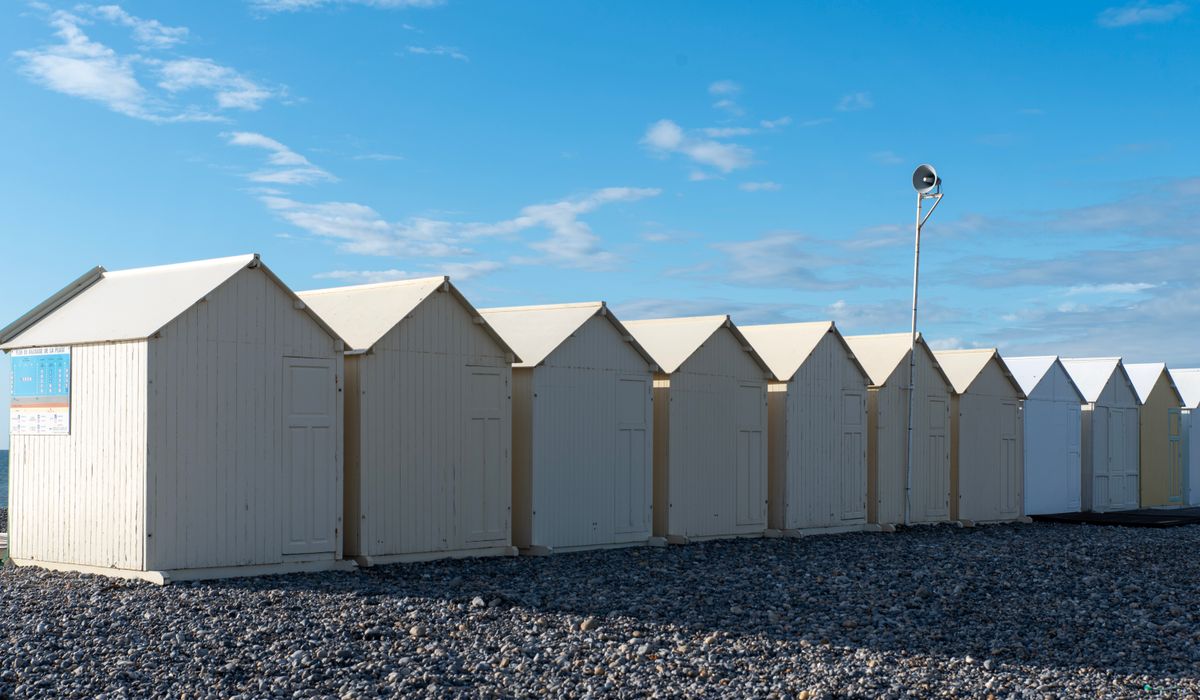
Eco-Friendly Cabin Stays That Reduce Your Holiday Footprint
Why your choice of cabin matters more than you think
A week in a timber cabin beside a windswept beach sounds like the low-impact option by default. Often it is. But not always. A glamped-up hut with a wood-fired hot tub, underfloor heating and a diesel generator humming behind the dunes can burn through more energy than a small hotel. The good news is that a growing number of UK cabin and beach hut owners are building genuinely lighter-footed places to stay — and they are doing it without asking you to sacrifice a hot shower or a proper mattress.
The trick is knowing what to look for before you book. A few specific features make a real difference to your holiday footprint, and they are usually the same features that make a stay feel calmer, quieter and more memorable. Here is what to check for, and what to ask when the listing is vague.
Renewable energy that actually powers the stay
Plenty of listings mention solar panels. Fewer mention whether those panels run the whole cabin or just the fairy lights. A well-designed off-grid cabin will usually combine several sources:
- Solar photovoltaic panels mounted on the roof or on a south-facing frame, charging a battery bank rather than feeding the grid.
- A small wind turbine on exposed coastal sites, where sun is scarce but breeze is reliable.
- An air-source heat pump for hot water and gentle background warmth — remarkably efficient, even on a chilly Cornish or Northumbrian evening.
- A wood-burning stove burning locally sourced, well-seasoned logs or pellets, ideally from a coppiced woodland within a few miles.
Ask the owner how the cabin is heated in February, not just July. If the answer is "a big calor gas bottle and an electric fan heater", the eco credentials are probably decorative. If it is "the heat pump plus the stove, and the battery bank covers us from April to October", you have found somewhere run with intent.
Look, too, for LED lighting throughout, induction hobs rather than gas rings, and appliances with good energy ratings. These details are unglamorous but they add up across a season.
Grey-water systems, compost loos and the water question
Water is where coastal cabins can quietly do a lot of good. Many sites are nowhere near a mains sewer, so owners have had to think hard about what happens after you pull the plug.
A grey-water system collects waste from showers, basins and kitchen sinks, filters it through a reed bed, gravel trench or similar, and returns it to the ground for irrigation. It is not drinking water, but it keeps nutrients on site instead of shipping them away in tankers. Some cabins go further with rainwater harvesting, storing roof run-off in a butt or underground tank for showers and washing up.
Composting toilets are now common in off-grid huts and, done properly, they are odourless, clean and genuinely pleasant. Look for a separate urine diverter and a carbon-rich cover material such as sawdust. If the idea makes you nervous, remember that these systems are usually better maintained than a tired pub loo.
Practical things to ask: Is there a water meter or a tank? How often is it refilled? Is the hot water solar thermal, heat-pump or immersion? A cabin that asks guests to take short showers and use eco-friendly toiletries is not being mean — it is being honest about a finite supply.
Local materials and buildings that belong
The fabric of a cabin tells you a great deal. Structures built from locally felled timber, larch cladding, reclaimed slate, straw bale or rammed earth carry far less embodied carbon than a flat-packed unit shipped halfway across Europe. They also weather into the landscape rather than sitting on top of it.
What to look for:
- Timber sourced from a nearby estate or sawmill, ideally with a recognised sustainable certification.
- Sheep's wool or wood-fibre insulation instead of petrochemical foam.
- Lime mortars, clay plasters and other breathable finishes that let a building dry out naturally in damp coastal air.
- Reclaimed fixtures — a salvaged enamel sink, a driftwood shelf, old railway sleepers forming a deck.
- Native planting around the plot: sea thrift, marram grass, gorse. No plastic lawn.
These choices cut waste, but they also give a place character. You can usually feel the difference the moment you walk in: it smells of wood, not air freshener.
Small habits that shrink your footprint further
Even the greenest cabin can be undermined by how we use it. A few easy adjustments go a long way on a short break.
- Travel by train where you can. Many coastal cabins sit within a mile or two of a branch line, and owners often offer a lift from the station.
- Shop at the village shop or a nearby farm stall rather than a supermarket on the way in.
- Take your rubbish home, especially soft plastics and glass, if recycling on site is limited.
- Use refillable bottles and bars of soap instead of hotel-style miniature toiletries.
- Turn the heating down when you head out, and burn the stove properly — hot, bright and brief beats a smouldering all-day fire.
What to ask before you book
A short email to the owner will tell you more than any glossy photograph. Ask where the electricity comes from, how the loo and the water work, how far the nearest shop is, and whether the cabin is genuinely off-grid or just styled that way. The best owners will answer with enthusiasm, because these details are the whole point of what they have built.
Choose carefully and a week in a coastal cabin becomes more than a break. It becomes a stay you can feel good about — warm, comfortable and quietly in tune with the shore outside the window.
tag: Eco Stays

Sophie Bramley Author
Use soft blues, warm woods and practical fabrics to bring the coast indoors. Keep clutter low so small cabins feel calm and spacious.
YOU MAY ALSO LIKE
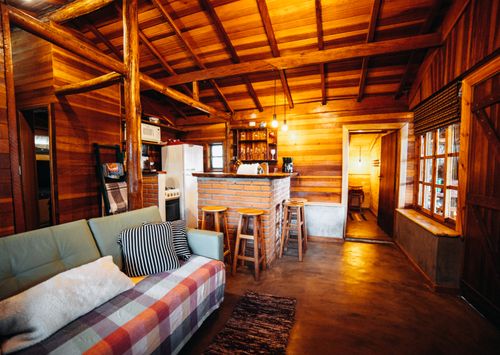
Coastal Cabin Interiors: Simple Ways to Create a Nautical Feel
Sep 7
10Museums, arcades and tea rooms keep a rainy coastal break enjoyable. Plan indoor stops between showers and book tables ahead.
read more
Exploring Traditional Seaside Towns on a Rainy Day
Sep 2
10Glamping offers ready-made comfort while self-catering gives freedom and space. Consider weather, cooking habits and how much you want to carry.
read moreCoastal Cabins
-

ERRIC CATONA
Early light reveals tracks, insects and seabirds across the sand. Take binoculars and move quietly to avoid disturbing wildlife.
May 19, 2016 at 5.12 pm
Reply
ERRIC CATONA
Shoulder seasons bring quieter beaches but cooler evenings. Add blankets, hot water bottles and draught excluders to keep a hut snug.
May 19, 2016 at 5.12 pm
Reply -
ERRIC CATONA
Flexible dates and direct owner enquiries can uncover cancellations. Sign up for alerts and be ready to pay a deposit quickly.
May 19, 2016 at 5.12 pm
Reply
Beach Huts
Your email address will not be published.