
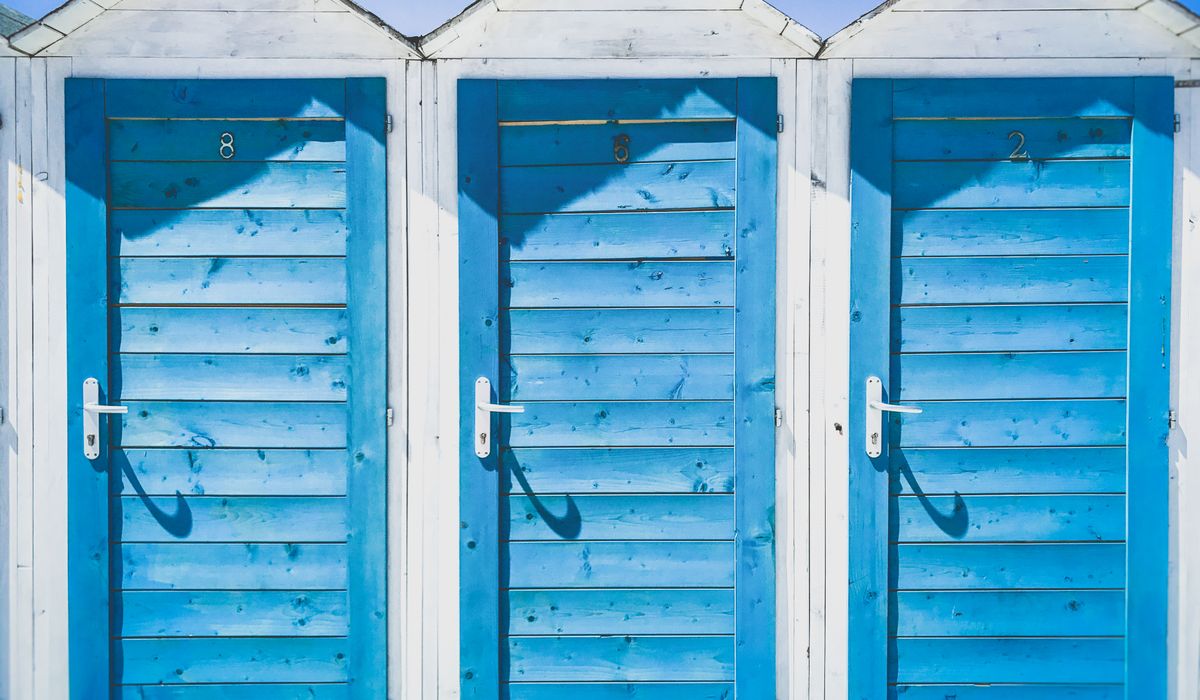
Glamping vs Self-Catering: Which Suits a Coastal Break?
Two Very Different Ways to Stay by the Sea
A coastal break in the UK usually comes down to a single decision before you have even packed a bag: do you want your accommodation to do the work for you, or do you want the run of a place that feels like your own for a week? Glamping and self-catering both put you within earshot of the waves, but they ask very different things of you once you arrive.
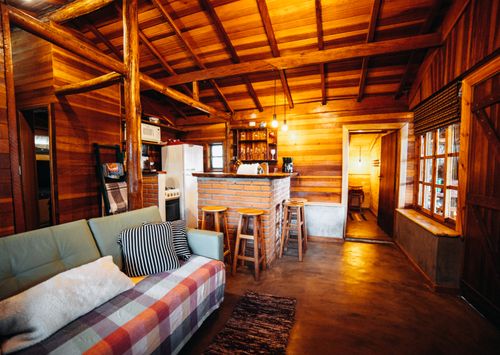
Glamping covers the ready-made end of the market — timber cabins, shepherd's huts, pods, bell tents and beach huts fitted out with proper beds, a kettle and often a small hob. Self-catering means a cottage, chalet, apartment or static caravan where you have a kitchen, a living space and, crucially, a door you can shut on the rest of the world. Neither is better. They simply suit different holidays.
What Glamping Actually Gives You
The appeal of glamping is that someone else has already thought about the awkward bits. You turn up, the bed is made, the wood burner is stacked, and there is a torch on the hook by the door. For a two- or three-night escape, that is genuinely liberating.
- Minimal packing — no bedding, no pans, no washing-up liquid if you choose a serviced cabin or hut.
- Quick arrival — you can be on the beach within twenty minutes of parking.
- Atmosphere by design — fire pits, outdoor seating and views chosen for the sunset.
- Lower upfront cost — usually cheaper per night than a full cottage, though not always by much in peak season.
The trade-off is space and privacy. A pod or hut is compact, storage is limited, and you may be sharing a shower block or a communal kitchen area. If you are travelling with a pushchair, a dog, a teenager and a week's worth of wet suits, the charm can wear thin by day three.
The Case for Self-Catering
Self-catering wins on freedom and room to breathe. A cottage with a hallway, a boot room and a proper oven changes the whole rhythm of a coastal holiday. You can dry wet gear, cook a full roast on a rainy afternoon, and let the children spread out with board games while you read in the corner.
- Space for groups — ideal for two families, grandparents tagging along, or anyone who values a separate bedroom.
- Kitchen control — batch cook, freeze, pack picnics and keep costs down on meals out.
- Longer stays make more sense — the per-night value improves noticeably across a full week.
- Laundry and storage — a washing machine and a drying rack are quietly transformative on a British seaside trip.
The catch is that self-catering is not really self-catering unless you cook. If you plan to eat out every night, you are paying for a kitchen you will barely use.
Weather, Packing and the British Seaside Reality
Our coast is beautiful and reliably unpredictable. A single week in Cornwall or Northumberland can deliver blazing sunshine, horizontal drizzle and a stiff breeze in the space of forty-eight hours. That matters far more than most people expect when choosing between the two.
Glamping is wonderfully romantic in July and considerably less so in a gale. Check what is provided before you book: is there heating, is the cabin insulated, is there a covered area outside the door? A well-built cabin with a log burner handles October beautifully; a thin canvas tent does not.
Self-catering gives you a weatherproof base with room to hang wet coats, dry boots and retreat indoors without feeling penned in. If your holiday involves lots of beach time regardless of the forecast, that indoor space becomes a genuine luxury.
Cooking Habits and Daily Rhythms
Be honest about how you actually eat on holiday. If your idea of a good evening is fish and chips on the harbour wall, a pub lunch and a pastry from the bakery, then a modest glamping kitchenette is perfect. You will barely notice the missing oven.
If, however, you like a slow breakfast, a packed lunch for a coastal walk and a home-cooked supper with a bottle of something cold, self-catering pays for itself. Coastal shops can be pricey and sometimes a fair drive away, so a proper kitchen and a decent-sized fridge make a real difference to both budget and mood.
Think about the small practicalities too. A beach hut with a two-ring hob is charming for coffee and toast, frustrating for a family of five at teatime. A cottage with a dishwasher, a freezer and a big sink is less romantic and far more useful.
How to Choose Without Regret
Ask three questions before you book. First, how long are you going for? Short breaks suit glamping; week-long stays usually suit self-catering. Second, who is coming? Couples and solo travellers thrive in compact cabins, while groups and young families tend to need separate rooms and a door that closes. Third, how much do you want to carry?
If the answer is "as little as possible", book a serviced cabin or beach hut and travel light. If it is "everything, including the dog's bed and the bodyboards", book a cottage and enjoy the space. Some people even mix the two — a few nights in a hut for the romance, then a self-catering cottage for the rest of the week. Either way, the sea is doing the hard work. You just have to decide how you want to come back to it each evening.
tag: Glamping

Oliver Pemberton Author
Early light reveals tracks, insects and seabirds across the sand. Take binoculars and move quietly to avoid disturbing wildlife.
YOU MAY ALSO LIKE
Why Dune Walks Are Perfect for Early Morning Birdwatching
Aug 24
10Shoulder seasons bring quieter beaches but cooler evenings. Add blankets, hot water bottles and draught excluders to keep a hut snug.
read more
Keeping Warm in a Beach Hut During Shoulder Seasons
Aug 19
10Flexible dates and direct owner enquiries can uncover cancellations. Sign up for alerts and be ready to pay a deposit quickly.
read moreCoastal Cabins
-

ERRIC CATONA
Refill toiletries, reusable bottles and beeswax wraps reduce plastic on a glamping break. Ask hosts about recycling before you arrive.
May 19, 2016 at 5.12 pm
Reply
ERRIC CATONA
Short coastal paths suit gentle evening walks when light fades slowly. Choose well-marked routes and carry a small torch for return.
May 19, 2016 at 5.12 pm
Reply -
ERRIC CATONA
Driftwood, pebbles and sea glass can become simple hooks, frames or table displays. Clean finds thoroughly and avoid taking from protected sites.
May 19, 2016 at 5.12 pm
Reply
Beach Huts
Your email address will not be published.