
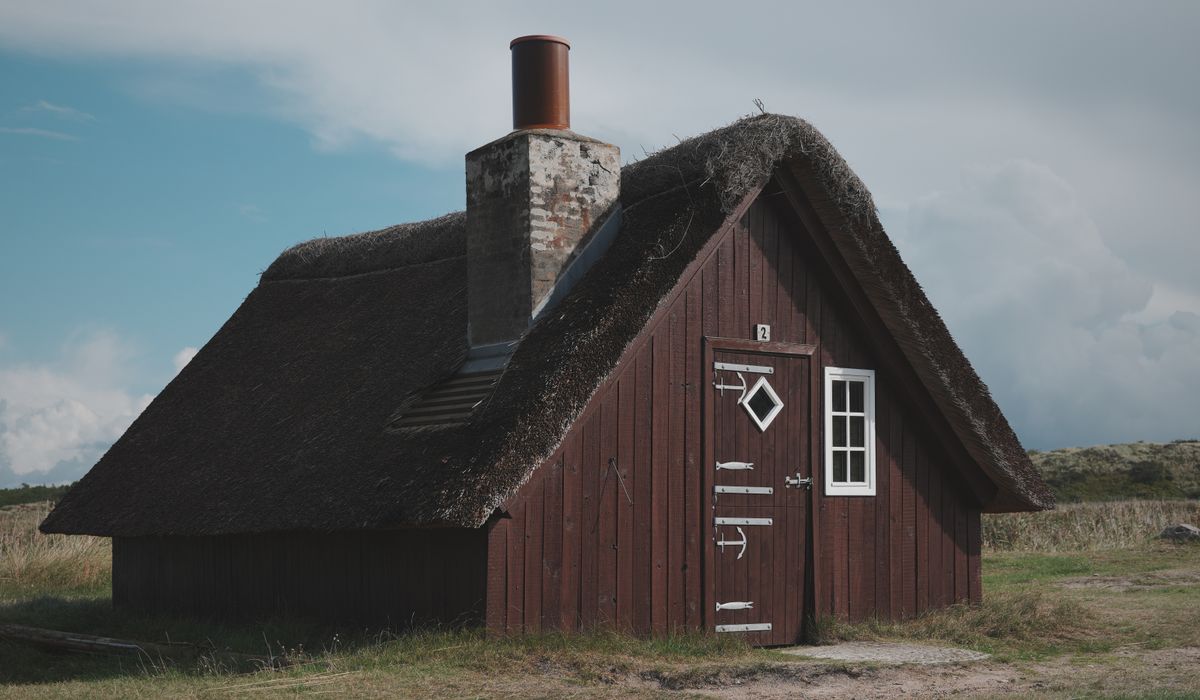
Best Beach Huts for a Family Day at the Coast
Why a Beach Hut Turns a Good Day Into a Great One
Anyone who has wrestled a windbreak into a Force 5 gust, watched a seagull make off with a sausage roll, or carried a sleeping toddler plus a cool bag across 200 metres of shingle knows the truth: on the British coast, a base camp is worth its weight in gold. A rented beach hut gives you four walls, a lockable door and a kettle. It turns a day trip into something closer to a proper holiday.
Families love them for unglamorous reasons. There is somewhere to change a wet swimming costume out of the wind, somewhere to leave towels and buckets while you paddle, and somewhere to retreat when the drizzle arrives — which, on a British beach, it usually does at least once. A hut also buys you a longer day. Rather than packing up at the first spot of rain, you put the kettle on, deal out the cards and wait for the sun to return.
What You Actually Get for Your Money
Most traditional huts measure roughly 3 to 4 metres square. Inside you can expect a bench or small table, some shelving, hooks for coats and a gas ring or a small camping stove in the better-appointed ones. Outside there is usually a deck or a small veranda, and often a strip of sand that feels like your own private garden for the day.
- Standard day hire: typically includes the hut, key, basic furniture and access to a nearby water tap or tap block.
- Common extras: deckchairs, a windbreak, a cool box, sometimes a small gas bottle — check before you assume.
- Rarely included: bedding, crockery, electricity, Wi-Fi and, in most cases, a toilet. Public loos are usually a short walk away.
Do not expect a boutique hotel. Expect a charming, slightly salty shed with a view worth a fortune. That is very much the point.
Where to Find the Best of Them
The beach hut belt runs mostly along the east and south coasts of England, with a few pockets elsewhere. Classic family-friendly locations include:
- Walton-on-the-Naze and Frinton, Essex: hundreds of colourful huts, gentle shelving sand and shallow water that suits young children.
- Whitstable and Tankerton, Kent: hut rows along the shingle, with a working harbour and excellent chip shops nearby.
- Southwold and Felixstowe, Suffolk: smart painted huts, good crabbing and plenty of cafés within walking distance.
- Wells-next-the-Sea, Norfolk: a long, sandy sweep where some huts can be booked for short breaks.
- Mudeford Sandbank, Dorset: reached by ferry or a brisk walk, with huts that are famously prized — and priced accordingly.
- Abersoch and the Llŷn Peninsula, Wales: a smaller but growing hut scene with proper surf and big skies.
Scotland and Northern Ireland have far fewer traditional huts, though a handful of coastal sites now offer glamping-style cabins and beach pods instead. If you are set on a proper hut, the east coast is your safest bet.
Booking, Prices and Timing
Day hire in England typically runs from around £25 to £60 in high season, with premium locations at the top of that range. Weekly rates often sit between £200 and £500. In the most popular spots, long-term annual licences are passed down through families and waiting lists stretch for years — so for a holiday, day or weekly hire is the realistic route.
Book early. Summer weekends sell out months ahead, and school holiday weeks go first. Shoulder season — late May, early June and September — is often the sweet spot: quieter beaches, cheaper huts and weather that is frequently better than August's reputation suggests. If you can only go in peak season, aim for a midweek day and arrive before 10am to claim parking.
Rules to Check Before You Go
Every council and private site sets its own conditions, and ignorance is not a defence when a warden is knocking. Read the terms carefully.
- Cooking: many sites permit a small gas stove inside, others insist on outdoor cooking only. Disposable barbecues are banned on a growing number of beaches because of damage to sand and wildlife.
- Dogs: some huts welcome them, others prohibit them entirely. Separately, many beaches enforce a seasonal dog ban between May and September, so check both.
- Overnight use: the biggest rule of all. Most huts are day-use only and must be vacated by early evening. A few sites — Mudeford and parts of the Norfolk coast among them — allow overnight stays, but only in specified huts and usually with a minimum booking.
- Other conditions: no fires, no amplified music, no subletting, and a cleaning or key deposit that is refunded when you leave the hut as you found it.
Making the Most of Your Day
Pack light but pack cleverly. A cool box, a kettle, mugs, a bin bag, sun cream, a windbreak and a change of clothes for each child will cover 90 per cent of situations. Bring cash for parking and ice creams, and check tide times before you settle — some huts sit on sand that vanishes at high water.
Then do the thing that beach hut regulars have perfected: nothing much at all. Watch the tide, brew another cup of tea, and let the day stretch out. It is the cheapest luxury on the British coast.
tag: Beach Huts

James Whitcombe Author
Learn how dunes form and why paths protect fragile grasses. Wear supportive shoes and carry water, as sand can be tiring.
YOU MAY ALSO LIKE
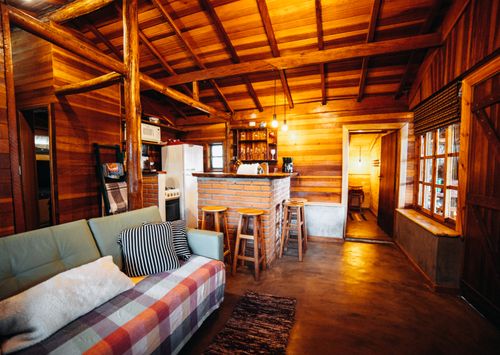
A Beginner's Guide to Walking Sand Dunes Safely
Sep 15
10Look for cabins using renewable energy, grey-water systems and local materials. These choices cut waste without sacrificing comfort or style.
read more
Eco-Friendly Cabin Stays That Reduce Your Holiday Footprint
Sep 13
10Use soft blues, warm woods and practical fabrics to bring the coast indoors. Keep clutter low so small cabins feel calm and spacious.
read moreCoastal Cabins
-

ERRIC CATONA
Museums, arcades and tea rooms keep a rainy coastal break enjoyable. Plan indoor stops between showers and book tables ahead.
May 19, 2016 at 5.12 pm
Reply
ERRIC CATONA
Glamping offers ready-made comfort while self-catering gives freedom and space. Consider weather, cooking habits and how much you want to carry.
May 19, 2016 at 5.12 pm
Reply -
ERRIC CATONA
Early light reveals tracks, insects and seabirds across the sand. Take binoculars and move quietly to avoid disturbing wildlife.
May 19, 2016 at 5.12 pm
Reply
Beach Huts
Your email address will not be published.