
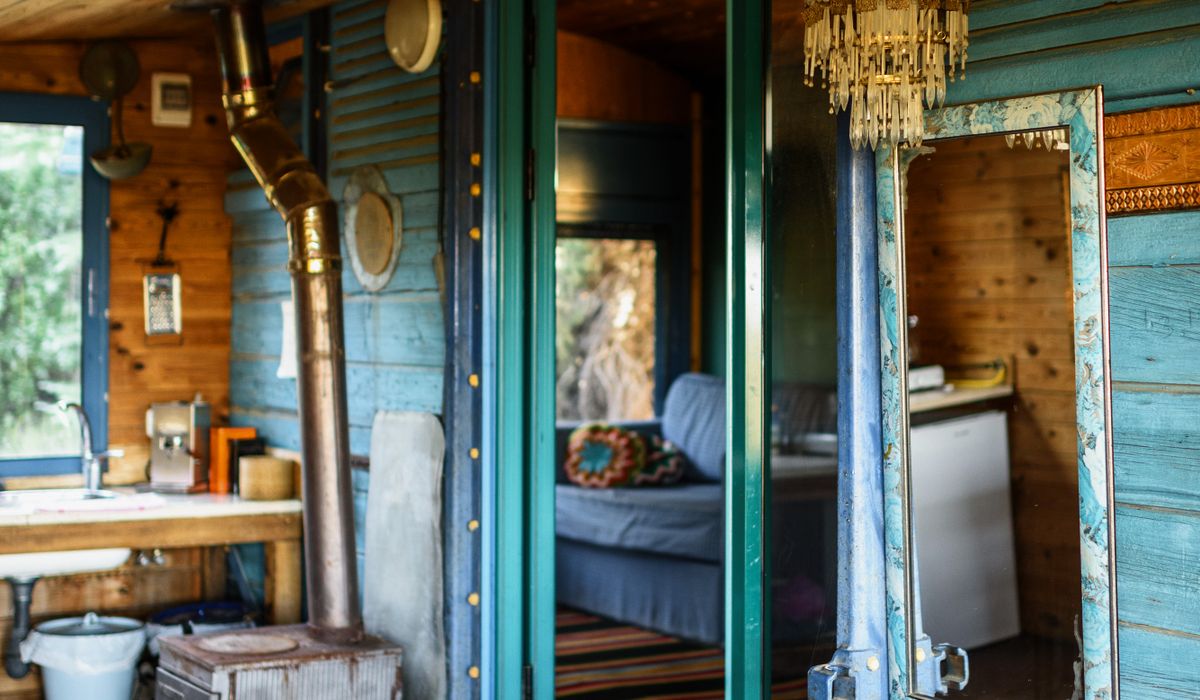
Solar Power and Off-Grid Comfort in Coastal Cabins
Why the Coast and Off-Grid Go Hand in Hand
Some of the best-loved stretches of the British coastline are precisely the places where running a cable is difficult, expensive or simply not allowed. A cabin tucked behind the dunes on the Norfolk coast, a beach hut on a shingle spit in Kent, a shepherd's hut above a Pembrokeshire cove — these are often beyond the reach of the mains. Rather than a drawback, that's frequently the point. Off-grid coastal cabins offer quiet, dark skies and a genuine step away from the everyday, and modern solar kit means you no longer have to sacrifice a hot shower or a cold drink to get it.
The technology has matured enormously. A well-specified cabin can run LED lighting, phone charging, a small fridge and a water pump comfortably from a modest panel array, even through a British summer of mixed weather. What matters is understanding how the system in your particular cabin actually works — and asking the right questions before you book.
How Solar Power Works in a Small Cabin
Almost all off-grid cabins use the same basic setup. Panels on the roof or a south-facing frame generate direct current, which passes through a charge controller into a battery bank. An inverter then converts that stored 12-volt power into 230-volt mains-style electricity for standard plugs.
The practical detail guests notice most is that inverters are thirsty. Boiling a kettle, running a hairdryer or using a microwave can flatten a decent battery bank in minutes. Many hosts therefore fit 12-volt sockets alongside, or instead of, standard three-pin plugs, and supply low-draw appliances designed for the job.
- 12-volt systems are efficient and ideal for LED lights, USB charging, small cool boxes and water pumps.
- 230-volt via inverter is convenient but should be treated as a treat rather than a habit — think laptop charging, not kettle boiling.
- Battery state is the number to watch. Most hosts fit a simple monitor so you can see how much charge is left.
- Cloud and shade matter more than heat. A grey day still charges a panel, just slowly; a tree or a cliff shadow can stop it almost entirely.
Water: Rainwater Harvesting and Hot Showers
If a cabin has no mains water, it is usually collecting rain from the roof into a tank or series of butts, then filtering it for washing and, in some cases, drinking. Expect a pump to pressurise the supply, which draws on the same battery bank as everything else.
Hot water typically comes from one of three sources: a gas-powered instant heater, a solar thermal bag or panel, or a small immersion element fed by surplus solar. Gas gives you reliable hot water regardless of weather, whilst solar thermal is beautifully simple but weather-dependent.
The golden rule in any off-grid cabin is to use water sparingly. Navy showers — wet, turn off, soap, rinse — are standard practice and quickly become second nature. Washing up in a bowl rather than under a running tap saves several litres every evening.
Compost Toilets and Waste
Many coastal cabins use a compost or waterless toilet rather than a septic tank, which makes perfect sense in sensitive dune and coastal habitats where a flush system would be a liability. These are far less intimidating than people expect. Most separate solids from liquids, use a sawdust or wood-chip cover after each use, and produce no smell when managed correctly.
- Liquid waste goes to a separate container and is usually diluted and dispersed well away from watercourses.
- Solids break down over months, often in a second chamber, and are then composted and used on non-edible planting.
- What to do is almost always simpler than guests fear: sit, do your business, add a scoop of cover material, close the lid.
- What not to do is put wet wipes, sanitary products or kitchen waste down the loo. A small bin is normally provided.
Questions to Ask Before You Book
Hosts who run genuine off-grid systems are usually delighted to explain them, and a quick message before booking avoids awkward surprises on arrival. Ask directly and specifically.
- What size is the solar array and battery bank, and what can it realistically run?
- Is there a backup generator, and when is it used?
- Is the water filtered and drinkable, or should we bring our own?
- How is hot water produced, and is it weather-dependent?
- Is there mobile signal, and is there Wi-Fi?
- What happens if the battery runs low — is there a plan, or does the cabin go dark?
- How much driving or walking is needed to reach the cabin, and in what vehicle?
Living Well Within the Limits
Off-grid coastal living rewards a slightly different mindset. Charge devices during the sunniest part of the day rather than overnight. Take a torch for the walk back from the beach. Bring a good book, a decent cool box and a sense of humour about the weather. Pack layers, and don't rely on a hair dryer.
The trade-off is generous. You get silence broken only by curlews and surf, skies thick with stars, and the quiet satisfaction of a hot shower you earned from sunshine collected that morning. Choose a cabin whose systems match your expectations, ask the practical questions up front, and off-grid comfort stops being an oxymoron and starts being the whole reason you came.
tag: Eco Stays

Emily Hartley Author
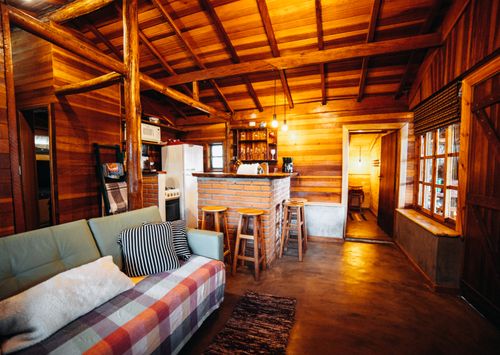
A chair, side table, warm lamp and blanket create a peaceful reading corner. Keep books in a basket to save space in small huts.
YOU MAY ALSO LIKE
Creating a Cosy Reading Nook in a Beach Hut
Jul 9
10Windy dune walks call for layers, a windproof jacket and sturdy footwear. Avoid loose fabrics and take a hat that ties securely.
read more
What to Wear for Windy Dune Walks and Cliff Paths
Jul 5
10Travel just beyond the busiest seafront to find quieter coves and lanes. Local buses and early starts help you avoid summer crowds.
read moreCoastal Cabins
-

ERRIC CATONA
A few sharp knives, a large pan and sealed containers make cabin cooking easier. Check what is provided before adding weight to your bags.
May 19, 2016 at 5.12 pm
Reply
ERRIC CATONA
Choose eco stays with clear recycling, composting and energy policies. Good hosts explain what guests should separate and why it matters.
May 19, 2016 at 5.12 pm
Reply -
ERRIC CATONA
Look for cabins with enclosed gardens, hard floors and nearby dog-friendly beaches. Check rules on leads, bins and leaving pets alone.
May 19, 2016 at 5.12 pm
Reply
Beach Huts
Your email address will not be published.