
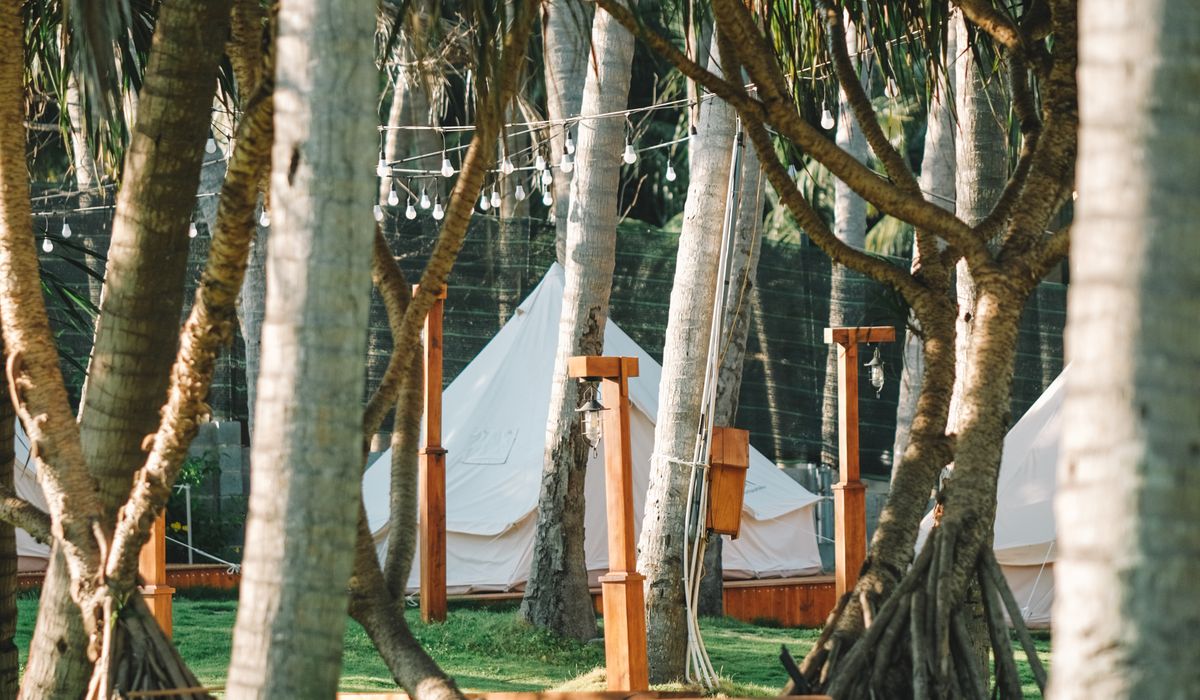
Eco Stays with Recycling and Composting Facilities
Why the bins matter more at the coast
A beach hut on a windswept spit in Norfolk or a timber cabin above a Pembrokeshire cove feels inherently low-impact. No airport queues, no buffet waste, no coach transfers. But the practical side of an eco stay often comes down to something far less romantic: what happens to your baked bean tin and your tea bags.
Rural and coastal collection rounds run less often than in towns, and many hut sites share a single bin store serving dozens of visitors a week. If glass goes into the mixed recycling, or a greasy takeaway box is put in the compost caddy, the whole load can be rejected and sent to landfill. A good host will tell you exactly what to separate, where it goes and what it becomes. That explanation is one of the clearest signs you have booked somewhere genuinely committed, rather than somewhere that has simply bought a few jute bags and called itself green.
What good recycling and composting provision looks like
Arrive at a well-run eco cabin and the waste set-up is quietly impressive. Look for clear labels rather than a single dusty bin, and instructions pinned inside a cupboard door where you will actually see them.
- Separated dry recycling — glass in its own crate, because most kerbside systems cannot handle mixed glass with paper and card.
- A food waste caddy with a lid and liners, kept away from the decking so gulls and foxes do not redecorate your patio overnight.
- A hot composter, wormery or bokashi bin for raw fruit and vegetable scraps, coffee grounds, eggshells and tea leaves. Meat, fish, dairy and cooked food normally go elsewhere.
- Space to flatten and store card, plus somewhere dry for soft plastics and crisp packets if the host has a specialist drop-off nearby.
- Written guidance on what not to compost. Compostable cups and cutlery rarely break down in a domestic heap, and plastic-lined cartons never do.
Where a site has a compost toilet, it should smell of nothing much at all. Sawdust or wood shavings are added after each use, the lid stays down, and urine is separated in most designs. It is a thoroughly civilised system once you understand it, and hosts should be happy to give you a two-minute briefing.
Energy policies worth asking about
Off-grid beach huts often run on a small solar panel and a battery, which means the kettle and the hairdryer are not always compatible with a relaxing morning. That is not a flaw; it is simply part of the deal, and a good host will say so upfront rather than letting you discover it at 7am.
Elsewhere, look for cabins with proper insulation, draught-proofed doors and a wood burner fed by locally coppiced or reclaimed timber. Ask where the logs come from and whether they are seasoned and kiln-dried rather than hauled halfway across the country. On the water side, rainwater butts, low-flow shower heads, dual-flush or composting toilets and reed-bed drainage all point to a host thinking beyond the marketing copy. A laundry line in the garden, with a polite note that the tumble dryer is for emergencies, tells you plenty too.
Questions to ask before you book
A short email saves a week of guessing. It also signals that you care, which tends to bring out the best in hosts.
- What exactly can be recycled on site, and does that differ from my home council's rules?
- Is there a food waste or composting system, and what can and cannot go in it?
- How is the cabin powered and heated, and are there any limits on high-draw appliances?
- Do you provide refillable toiletries, washing-up liquid and cleaning products, or should I bring my own?
- Is there a shop or refill point within walking distance, or should I stock up on the way?
Small habits that add up over a week
Self-catering holidays generate far less waste than hotel stays, but a week of unfamiliar bin rules can undo the good. Rinse jars and tins before they go in the recycling so the store does not attract wasps. Keep the caddy lid shut and empty it daily in warm weather. Take your own coffee cup, water bottle and a couple of lidded containers for leftovers and picnics.
Buy loose vegetables from a coastal farm shop, use the refill station if there is one in the village, and leave the single-use beach toys at home. Above all, follow the host's instructions rather than your instincts from home, because a hut site's system is built around a specific collection or compost arrangement. Do that, and the only trace you leave behind will be a slightly sandier car and a very good review.
tag: Eco Stays

James Whitcombe Author
Look for cabins with enclosed gardens, hard floors and nearby dog-friendly beaches. Check rules on leads, bins and leaving pets alone.
YOU MAY ALSO LIKE
Planning a Dog-Friendly Cabin Break by the Sea
Jun 18
10Compare location, insulation and access before booking a coastal cabin. A short walk to the beach matters more than a fancy deck in wet weather.
read more
How to Choose a Coastal Cabin for a Weekend Break
Sep 26
10Pack layers, waterproofs, sturdy shoes and a torch for late arrivals. A small cool bag helps if your cabin kitchen is basic.
read moreCoastal Cabins
-

ERRIC CATONA
Rent a beach hut for shade, shelter and somewhere to store sandy gear. Check local rules on cooking, dogs and overnight use.
May 19, 2016 at 5.12 pm
Reply
ERRIC CATONA
Learn how dunes form and why paths protect fragile grasses. Wear supportive shoes and carry water, as sand can be tiring.
May 19, 2016 at 5.12 pm
Reply -
ERRIC CATONA
Look for cabins using renewable energy, grey-water systems and local materials. These choices cut waste without sacrificing comfort or style.
May 19, 2016 at 5.12 pm
Reply
Beach Huts
Your email address will not be published.