
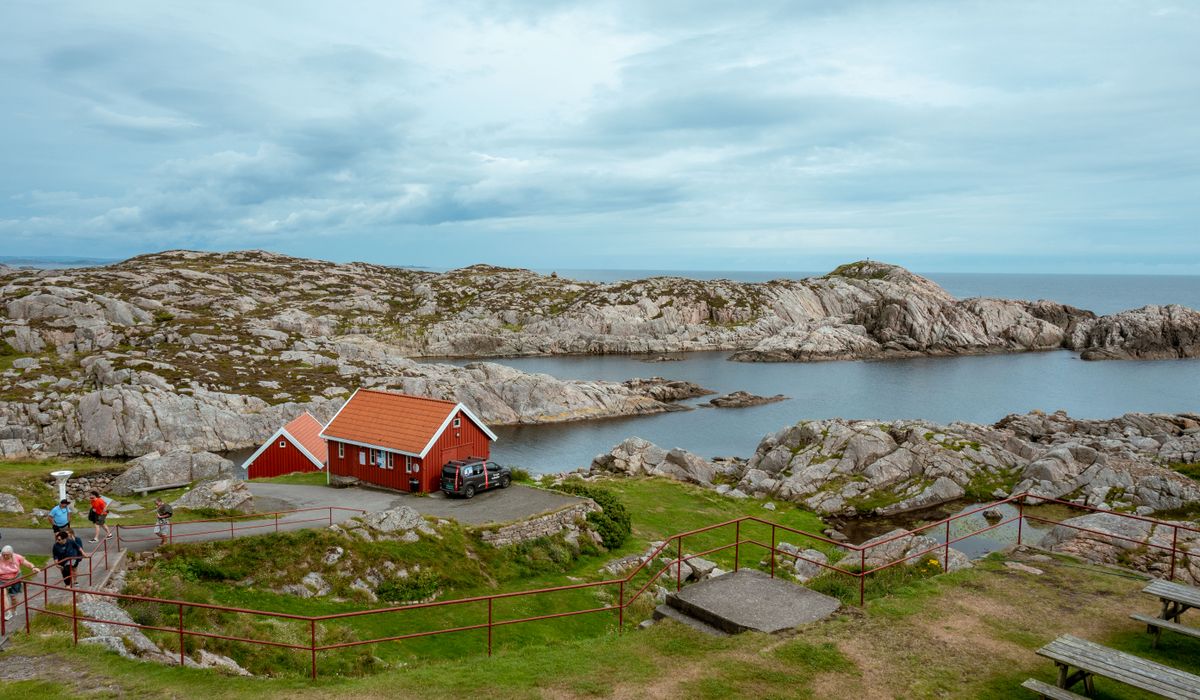
Essential Packing List for a Cosy Cabin by the Sea
Start With Layers, Not Luggage
The most common mistake on a cabin-by-the-sea break is packing as though for a warm week in a hotel. Coastal weather has its own microclimate, and a bright morning can turn into a stiff, damp afternoon breeze within the hour. Even in July, an evening on the deck with a glass of something cold can have you reaching for a fleece.
Pack in three layers and you will cope with almost anything:
- Base layer — two or three breathable t-shirts or long-sleeved tops, plus a thermal vest for spring and autumn trips. Cotton is fine for sitting about; merino or synthetic is better if you plan to walk or cycle.
- Mid layer — a fleece or light down jacket that squashes into nothing. This is the layer you will live in.
- Outer layer — a proper waterproof jacket with a hood and taped seams, not a shower-resistant fashion coat. Wind is the thing that catches people out, so look for something that blocks it as well as rain.
Add one smarter top if you fancy a pub meal, and a pair of joggers or leggings for lounging. Cabins are often cooler inside than you expect, particularly those built on stilts or with single-skin walls.
Waterproofs, Wellies and Footwear That Earns Its Space
Footwear is where holiday packing usually goes wrong. You need three pairs at most, and each one does a different job.
- Walking boots or sturdy trainers for cliff paths, coastal trails and the inevitable muddy lane between the cabin and the beach.
- Wellies or waterproof ankle boots for rock pooling, shallow streams and wet sand. Even a short walk across a damp beach in canvas trainers will leave you with cold, gritty feet for hours.
- Flip-flops or slip-on sandals for shower blocks, hot sand and dashing outside for the barbecue.
Pack thick wool socks — two pairs per person is not excessive — and a spare pair of dry shoes if you have room in the boot. Wet boots drying overnight in a small cabin can make the whole space feel damp. A dry bag or two, the roll-top sort used by paddlers, is genuinely useful for keeping phones, keys and a towel dry on a blustery beach day.
Light, Power and the Practicalities of a Late Arrival
Many cabin sites sit down unlit tracks, and check-in is often late afternoon or evening. Arriving in the dark to a key safe, a gravel path and a cabin with unfamiliar switches is far easier with the right kit.
- A head torch for each adult, plus a small lantern for the cabin table. Torch apps on phones drain batteries quickly.
- A power bank and a multi-plug extension lead. Cabins frequently have one or two sockets tucked behind a bunk, and four people charging phones and cameras on one outlet is a recipe for arguments.
- Spare batteries for torches and any camera you still use.
- A printed booking confirmation and directions, in case signal drops out on the final approach.
- Earplugs and an eye mask if you are a light sleeper. Gulls start early, and summer evenings stay light until nearly eleven.
A hot water bottle is a small luxury worth the space in shoulder season, especially if the cabin has no central heating and relies on a log burner that takes an hour to warm through.
Feeding a Small Cabin Kitchen
Cabin kitchens vary wildly. Some have a full oven and a decent knife block; others offer a two-ring hob, a kettle and one chipped saucepan. Assume the basics are provided but nothing more.
A small cool bag with a couple of freezer blocks is invaluable, both for the journey and for picnics on the beach. Beyond that, pack:
- Tea, coffee and a proper mug — the first morning is always better if you are not hunting for supplies.
- Oil, salt, pepper and a few stock cubes in small containers.
- Washing-up liquid, a sponge and a tea towel, plus a spare cloth. These are the items most often missing.
- Foil, cling film and a couple of zip-lock bags for leftovers and sandy sandwiches.
- A corkscrew and a bottle opener, which nobody ever remembers until they need one.
If you are driving, a folding crate of cupboard staples keeps everything together and doubles as a table tidy.
Bedding, Towels and Home Comforts
Always check what your cabin includes before you pack a duvet. Some provide everything; others charge extra for linen or ask you to bring your own. Even when bedding is included, a few extras make a difference:
- Your own pillow if you are fussy about sleeping, and a spare pillowcase.
- A light blanket for evenings on the veranda.
- Two towels each — one for the beach, one for the shower — plus a hand towel.
- Slippers or thick socks for cold floors first thing in the morning.
Pack into soft holdalls and crates rather than rigid suitcases. Cabin storage is usually a few hooks, a shelf and space under a bed, and soft bags tuck into awkward corners far more easily.
Children, Dogs and the Bits You Will Be Glad Of
For children, add a spare set of clothes for every day plus two, a bucket and spade, and a wetsuit if they plan to swim. A small rucksack each, packed with their own waterproof and snack, saves endless rummaging. For dogs, bring their bed, a long line for the beach, old towels, and a water bowl — many coastal paths ban dogs in nesting season, so check the local notices on arrival.
Finally, a first aid kit with plasters, painkillers, antihistamine and tweezers earns its place in the car. Sand, shells and brambles have a way of finding bare feet, and the nearest shop may be several miles back up the lane.
tag: Packing Tips

Oliver Pemberton Author
Rent a beach hut for shade, shelter and somewhere to store sandy gear. Check local rules on cooking, dogs and overnight use.
YOU MAY ALSO LIKE
Best Beach Huts for a Family Day at the Coast
Sep 17
10Learn how dunes form and why paths protect fragile grasses. Wear supportive shoes and carry water, as sand can be tiring.
read more
A Beginner's Guide to Walking Sand Dunes Safely
Sep 15
10Look for cabins using renewable energy, grey-water systems and local materials. These choices cut waste without sacrificing comfort or style.
read moreCoastal Cabins
-

ERRIC CATONA
Use soft blues, warm woods and practical fabrics to bring the coast indoors. Keep clutter low so small cabins feel calm and spacious.
May 19, 2016 at 5.12 pm
Reply
ERRIC CATONA
Museums, arcades and tea rooms keep a rainy coastal break enjoyable. Plan indoor stops between showers and book tables ahead.
May 19, 2016 at 5.12 pm
Reply -
ERRIC CATONA
Glamping offers ready-made comfort while self-catering gives freedom and space. Consider weather, cooking habits and how much you want to carry.
May 19, 2016 at 5.12 pm
Reply
Beach Huts
Your email address will not be published.