
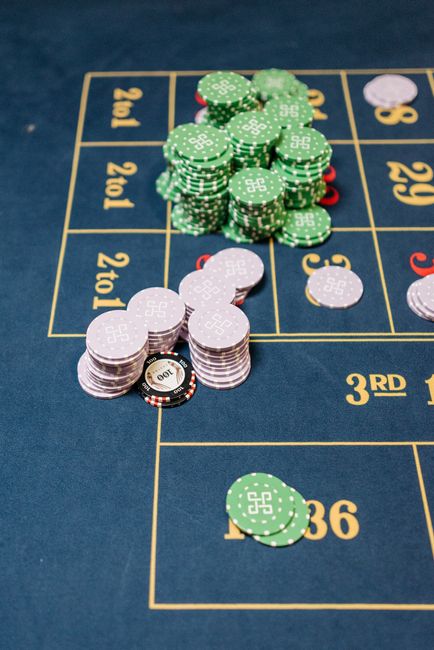
The Real Math Behind Slot RTP (And Why It Doesn't Work How You Think)
Ask ten gamblers what a 96% RTP slot means and you'll get ten variations of the same wrong answer: "The machine pays back 96 euros for every 100 you put in." It sounds reasonable. It's also the source of more bad bankroll decisions than almost any other misconception in the casino world. If you understand what return-to-player actually describes, you'll see the games — slots, table games, even the poker room — in a completely different light.
RTP Is a Long-Run Average, Not a Promise
Return to player is calculated over millions of spins, often hundreds of millions. A 96% RTP game doesn't balance your account every session. It means that if you could run the reels an astronomical number of times, the total amount returned to players would approach 96% of total wagered. The remaining 4% is the house edge — the operator's theoretical gross margin.
Here's the part that trips people up: within a single session, RTP tells you almost nothing about what you'll experience. A slot can pay 96% distributed across a few enormous jackpots that essentially never land for you, or across frequent small wins. Two machines with identical RTP can feel completely different. The distribution matters as much as the average.
According to data published by regulators like the UK Gambling Commission and Malta Gaming Authority, most modern video slots sit between 94% and 97% RTP, with some progressive jackpot titles dipping to 88–92% because part of every wager feeds the growing prize pool. That's a massive spread. Over a thousand euros of wagering, the difference between 94% and 97% is thirty euros of expected loss — real money, even if it vanishes into variance.
Volatility: The Variable Nobody Advertises
RTP is only half the equation. The other half is variance, or volatility — how wildly results swing around that average. High-volatility slots like the typical Money Train or San Quentin-style releases can go hundreds of spins without a meaningful payout, then hand you a 2,000x win. Low-volatility games like many classic three-reel slots pay small amounts often. This is explained well on สล็อตเว็บตรง.
Why does this matter for your bankroll? Because a high-volatility game at 96% RTP can still bankrupt a €100 balance in twenty minutes. Consider the rough numbers:
- Low volatility (e.g., 96% RTP): frequent small wins, bankroll grinds down slowly, session length is predictable.
- Medium volatility: occasional 50–200x wins, decent balance between entertainment and risk.
- High volatility: rare but huge wins, long dry spells, high chance of busting before hitting anything.
If you have a €50 budget and you load a 10,000x-max-win slot at €2 per spin, the math is brutal: you're looking at 25 spins before theoretical ruin if nothing lands. Choose your stake relative to your balance, not just your mood.
Table Games: Where the Numbers Actually Favor You
Slots get the attention, but table games are where disciplined players find the best odds. The numbers are stable and well-documented:
- Blackjack (basic strategy): house edge around 0.5% — but only if you play every hand correctly.
- Baccarat (banker bet): roughly 1.06% edge, one of the lowest in the entire casino.
- European roulette: 2.7% edge thanks to the single zero. American roulette doubles that to 5.26%.
- Craps (pass line with odds): under 1% if you take full odds.
Notice the pattern: the games that require skill or offer favorable rules consistently beat slots on pure expected value. A €100 bankroll on baccarat banker bets has a theoretical expected loss of about €1.06. The same €100 through a 96% slot has an expected loss of €4 — four times as much. That said, slots are simpler and give you more shots at a big multiplier. Neither approach is "correct"; they're just different risk profiles.
Poker Is Not a Casino Game — And That Changes Everything
Here's the biggest misconception in the entire iGaming ecosystem: people lump poker in with slots and roulette. It doesn't belong there. In slots, you play against a mathematically predetermined machine. In poker — at least the cash game and tournament varieties played against other humans — you play against opponents, not the house.
The casino takes a rake: typically 5% of each pot, capped at a few euros, or a tournament entry fee of 10% on top of the buy-in. That's the fee for hosting the game. Everything else is player versus player. A skilled poker player can maintain a positive expected value over thousands of hands. No amount of skill makes a slot positive EV. That distinction is why serious gamblers gravitate toward poker when they care about long-term profitability.
The catch is that the rake, like the slot's house edge, chips away at your results. At a live €1/€2 no-limit hold'em table with a €5 cap rake, a winning player might average 5–10 big blinds per hour. The rake can consume 3–4 of those. In high-rake environments, even strong players struggle to stay above breakeven. The game improved dramatically online, where rake is lower and you can play far more hands per hour — but the competition is also tougher.
Practical Takeaways for Smarter Play
- Check RTP before you spin. It's often buried in the game's info screen. If a slot doesn't list it, assume the worst and move on.
- Match volatility to your bankroll. Small budget, play low volatility. Big budget and patience, high volatility becomes viable.
- Treat bonuses as advertised, not as free money. A 100% match bonus with a 35x wagering requirement on slots means you must bet €3,500 to clear a €100 bonus. Do the math before you accept.
- Prefer games with better rules where possible. Baccarat banker, blackjack with basic strategy, European over American roulette.
- If you care about edge, learn a skill game. Poker rewards skill in ways no machine ever will — with the caveat that rake and competition set the floor before you turn a profit.
What This Means Over a Year of Play
Most people reading this won't become professional advantage players, and that's fine. The point isn't to optimize every cent. It's to recognize where your money actually goes. A player who grinds 96% RTP slots for fun with a fixed budget is doing something entirely reasonable — as long as they know the budget is entertainment spending, not investment. A player who assumes the machine "owes" them a payout because it hasn't paid in an hour is walking into a trap that no mathematician can rescue them from.
The house edge always wins in the long run. The only question is how much of it you pay, how long you make your money last, and whether the experience was worth what you spent. Understand RTP, variance, rake, and the difference between machines and skill games, and you stop guessing — you start making choices based on numbers that are actually published. That alone puts you ahead of most people feeding the reels tonight.
tag: iGaming

James Whitcombe Author
Pack layers, waterproofs, sturdy shoes and a torch for late arrivals. A small cool bag helps if your cabin kitchen is basic.
YOU MAY ALSO LIKE
Essential Packing List for a Cosy Cabin by the Sea
Sep 22
10Rent a beach hut for shade, shelter and somewhere to store sandy gear. Check local rules on cooking, dogs and overnight use.
read more
Best Beach Huts for a Family Day at the Coast
Sep 17
10Learn how dunes form and why paths protect fragile grasses. Wear supportive shoes and carry water, as sand can be tiring.
read moreCoastal Cabins
-

ERRIC CATONA
Look for cabins using renewable energy, grey-water systems and local materials. These choices cut waste without sacrificing comfort or style.
May 19, 2016 at 5.12 pm
Reply
ERRIC CATONA
Use soft blues, warm woods and practical fabrics to bring the coast indoors. Keep clutter low so small cabins feel calm and spacious.
May 19, 2016 at 5.12 pm
Reply -
ERRIC CATONA
Museums, arcades and tea rooms keep a rainy coastal break enjoyable. Plan indoor stops between showers and book tables ahead.
May 19, 2016 at 5.12 pm
Reply
Beach Huts
Your email address will not be published.